
What Happens to Your Body After a Therapeutic Phlebotomy?
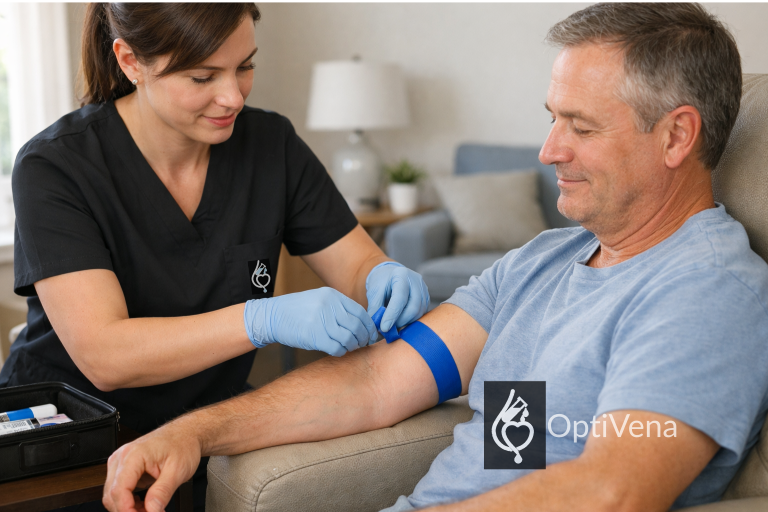
Therapeutic phlebotomy may sound complicated, but at its core, it is a medical procedure where a specific amount of blood is removed under a doctor’s order. It is often used to treat conditions like hemochromatosis (too much iron in the body), polycythemia (too many red blood cells), or other blood-related disorders.
Even though the procedure itself may feel similar to a regular blood draw, what happens inside your body afterward is different and important to understand.
Knowing what to expect can help you feel more prepared and less anxious before your appointment.
What Happens During Therapeutic Phlebotomy?
During the procedure, a trained professional removes a larger amount of blood than during routine lab work. This is done carefully and according to your provider’s instructions.
When blood is removed, your body immediately begins adjusting. Blood carries oxygen, nutrients, iron, and many other important components. When some of that blood is taken out, your body responds by:
- Shifting fluid from tissues into your bloodstream
- Working to balance blood pressure
- Beginning the process of making new blood cells
This response is normal and expected.
The First Hour After the Procedure
In the first hour after therapeutic phlebotomy, your body is working to stabilize itself.
You may feel:
- Slightly tired
- Lightheaded when standing
- A little weak or warm
This happens because your total blood volume has temporarily decreased. Your body needs time to adjust to that change.
Drinking fluids and sitting for a few minutes before standing can help reduce these symptoms. Most people start feeling steady again fairly quickly.
What Happens Over the Next 24 to 48 Hours?
After you leave your appointment, your body continues adjusting.
During the next one to two days:
- Your bone marrow begins producing new red blood cells
- Your body works to replace the fluid that was removed
- Iron levels may begin to shift, depending on your condition
Some people feel normal right away. Others may feel more tired than usual for a day. Both responses can be normal.
It is usually recommended to avoid heavy lifting or intense exercise for the rest of the day. Your body is using energy to recover.
Why Some People Feel Dizzy
Dizziness after therapeutic phlebotomy is usually not caused by the amount of blood removed alone.
More common causes include:
- Not drinking enough water
- Standing up too quickly
- Low blood pressure
- Anxiety
- Not eating properly before or after the procedure
Preparing ahead of time can make a big difference. Staying hydrated the day before and the day of the procedure is one of the most helpful steps you can take.
How Therapeutic Phlebotomy Helps Certain Conditions
For people with iron overload conditions like hemochromatosis, therapeutic phlebotomy helps remove excess iron stored in red blood cells. Over time, this can lower iron levels and reduce strain on organs.
For people with too many red blood cells, removing blood helps lower blood thickness. This can improve circulation and reduce certain risks.
Because every person’s condition is different, treatment schedules vary. If you are looking for therapeutic phlebotomy near you, it is important to ensure the provider follows your physician’s exact order and recovery guidelines.
Is It Different From a Regular Blood Draw?
Yes, it can be.
A routine blood draw usually removes small tubes of blood for testing. Therapeutic phlebotomy removes a larger amount for medical treatment.
This means:
- The procedure may take longer
- You may need a little more recovery time
- Hydration and rest are more important afterward
Understanding this difference helps set realistic expectations.
Recovery Is Part of the Process
Recovery does not end when the needle is removed.
It includes:
- Holding steady pressure on the site
- Remaining seated briefly
- Drinking fluids
- Eating balanced food if allowed
Rushing through recovery can increase the chance of feeling unwell later in the day.
When to Contact Your Healthcare Provider
Therapeutic phlebotomy is generally well tolerated, but you should contact your provider if you experience:
- Ongoing dizziness that does not improve
- Severe weakness
- Unusual swelling or pain at the site
- Symptoms that feel very different from prior treatments
Following your provider’s instructions before and after the procedure is always the most important step.
Understanding the Process Reduces Anxiety
For many people, fear comes from not knowing what is happening inside the body. Therapeutic phlebotomy triggers normal biological responses that your body is designed to handle.
With proper preparation, hydration, and recovery, most people tolerate the procedure well.
Many patients prefer receiving therapeutic phlebotomy in a calm, controlled environment where recovery time is respected.
If you are researching therapeutic phlebotomy options, understanding the procedure and recovery process can help you make informed decisions about your care.