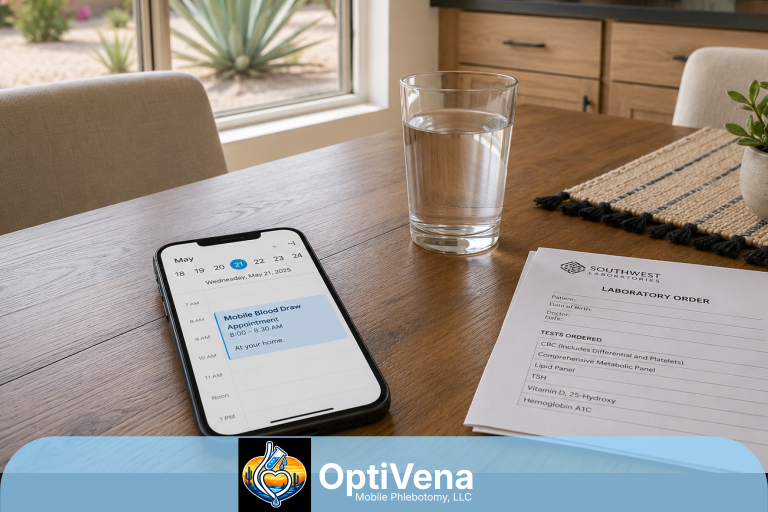
Why Hydration Matters Before a Blood Draw

Most people think the hardest part of a blood test is the needle. In reality, what happens before the appointment can influence the experience just as much. One of the simplest but most overlooked factors is hydration.
Drinking enough water before a blood draw can make the process smoother for both the patient and the phlebotomist. Hydration affects blood volume, vein visibility, and even how certain laboratory values appear once the sample is analyzed.
For patients scheduling an at home lab draw service, understanding how hydration impacts the process can make the appointment quicker, more comfortable, and more successful.
Should You Drink Water Before a Blood Test?
Drinking water before a blood test is generally recommended unless your healthcare provider gives different instructions. Proper hydration helps maintain normal blood volume and can make veins easier for a phlebotomist to access during the collection process.
When the body is well hydrated, veins tend to appear fuller and blood flow is typically smoother during the collection process. This can make the appointment quicker and more comfortable for patients.
Water also helps maintain normal circulation throughout the body. Because blood is largely composed of fluid, hydration supports the body’s ability to maintain stable blood volume during testing.
How Hydration Affects Your Blood and Veins
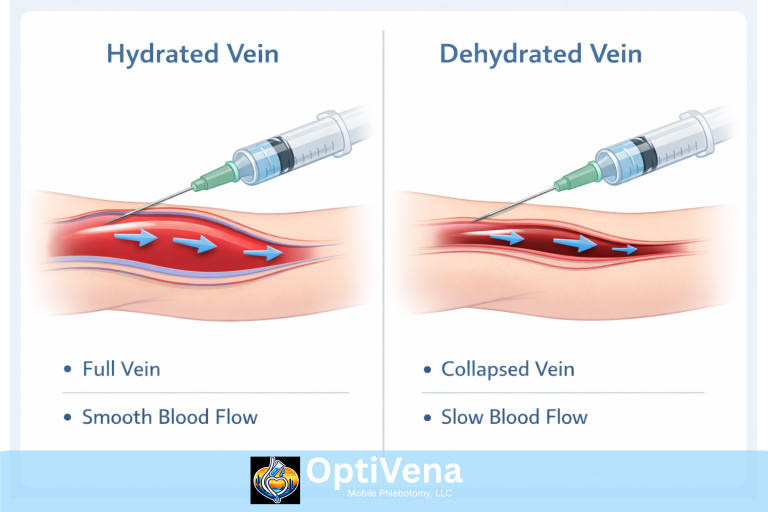
Your bloodstream is largely composed of water. When the body is well hydrated, blood volume remains stable and veins tend to appear fuller and easier to access.
When someone is mildly dehydrated, several things can happen:
• Veins may appear smaller or less visible
• Blood flow can be slower during collection
• Some lab markers may appear slightly more concentrated
This does not mean dehydration automatically causes incorrect results, but it can sometimes make the blood draw itself more difficult. Smaller veins may require more time to locate, and slower blood flow can prolong the collection process.
For many patients, simply drinking a few glasses of water in the hours leading up to their appointment helps improve vein accessibility.
Why Hydration Can Make the Collection Process Easier
Phlebotomists are trained to locate and access veins safely, even when they are difficult to find. However, hydration can significantly improve the experience.
Well hydrated veins tend to be slightly more elastic and easier to access. This allows blood to flow into the collection tube more efficiently. In many cases, this means the draw can be completed faster.
For patients who have experienced difficult blood draws in the past, hydration is one of the easiest ways to improve the process.
Hydration can be especially helpful for:
• patients with smaller veins
• individuals who have had difficult blood draws before
• patients undergoing frequent lab testing
• those receiving therapeutic phlebotomy
Even mild dehydration from a busy day, warm weather, or physical activity can affect vein accessibility.
The Arizona Factor: Hydration in a Desert Climate
Living in Arizona introduces another important consideration. The dry desert climate means people often become dehydrated more quickly than they realize.
During warmer months in the Phoenix area, it is common for patients to lose fluid through normal daily activity. Even a short period outdoors can reduce hydration levels.
Because of this, drinking water before routine lab work is particularly helpful for residents throughout the East Valley, including cities such as Mesa, Chandler, Gilbert, and Phoenix.
Patients scheduling an at home blood draw service in Phoenix or nearby areas often find that hydration makes their appointment smoother, especially during the summer months when dehydration is more common.
What to Drink Before a Blood Test
Water is always the best choice when preparing for a blood draw. Drinking a few glasses of water in the hours before your appointment is usually sufficient.
If your doctor has ordered fasting blood work, water is still allowed and encouraged in most cases. Fasting typically means avoiding food and certain beverages, but plain water does not interfere with most laboratory tests.
However, it is generally best to avoid:
• sugary drinks
• alcohol
• excessive caffeine
These beverages can affect hydration levels differently and may influence certain test results.
Did You Know?
Even mild dehydration can slightly concentrate certain blood markers. When less fluid is present in the bloodstream, some lab values may appear higher than expected. Drinking water before a blood draw helps maintain normal blood volume and supports accurate testing.
Why Many Patients Prefer At-Home Lab Draws
For individuals who require routine blood work or ongoing monitoring, scheduling lab tests can sometimes be inconvenient. Waiting rooms, travel time, and scheduling conflicts can make the process more stressful than necessary.
Mobile phlebotomy services provide an alternative by allowing patients to complete their lab work in a familiar and comfortable environment. Instead of visiting a crowded lab facility, a trained phlebotomist travels directly to the patient’s home.
Services such as mobile blood draw service in Mesa or surrounding areas allow patients to maintain their healthcare routine while minimizing disruptions to their day.
For people who need regular testing or therapeutic phlebotomy, this convenience can make it easier to stay consistent with physician recommended lab work.
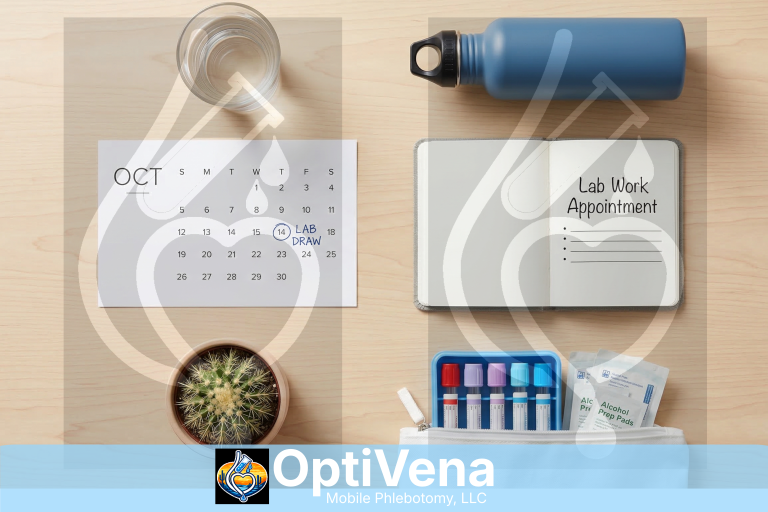
A Simple Step That Makes a Big Difference
Preparing for a blood test does not need to be complicated. In many cases, drinking enough water beforehand is one of the easiest ways to improve the experience.
Proper hydration helps veins remain accessible, supports normal blood volume, and allows the collection process to proceed smoothly. Whether you are visiting a laboratory or scheduling an at home lab draw, taking a moment to hydrate beforehand can make a noticeable difference.
Frequently Asked Questions About Hydration Before Blood Work
Should I drink water before a blood draw?
Yes. Drinking water before a blood draw is generally recommended unless your doctor gives different instructions. Proper hydration helps maintain normal blood volume and can make veins easier for a phlebotomist to access during the collection process.
How much water should I drink before a blood test?
Most patients benefit from drinking one to two glasses of water in the hours leading up to their blood test. Staying normally hydrated throughout the day before the appointment can also help support easier blood collection.
Can I drink water if I am fasting for blood work?
In most cases, yes. Fasting typically means avoiding food and certain beverages, but plain water is usually allowed and encouraged. However, patients should always follow the specific instructions provided by their healthcare provider.
Does dehydration affect blood test results?
Mild dehydration can slightly concentrate some blood markers because there is less fluid in the bloodstream. While this does not always change results significantly, proper hydration helps maintain normal blood volume and supports accurate laboratory testing.
Is it easier to draw blood when you are hydrated?
Yes. Hydrated veins tend to be fuller and more visible, which can make the blood collection process smoother and quicker. Patients who have experienced difficult blood draws in the past often find that drinking water beforehand helps improve the experience.